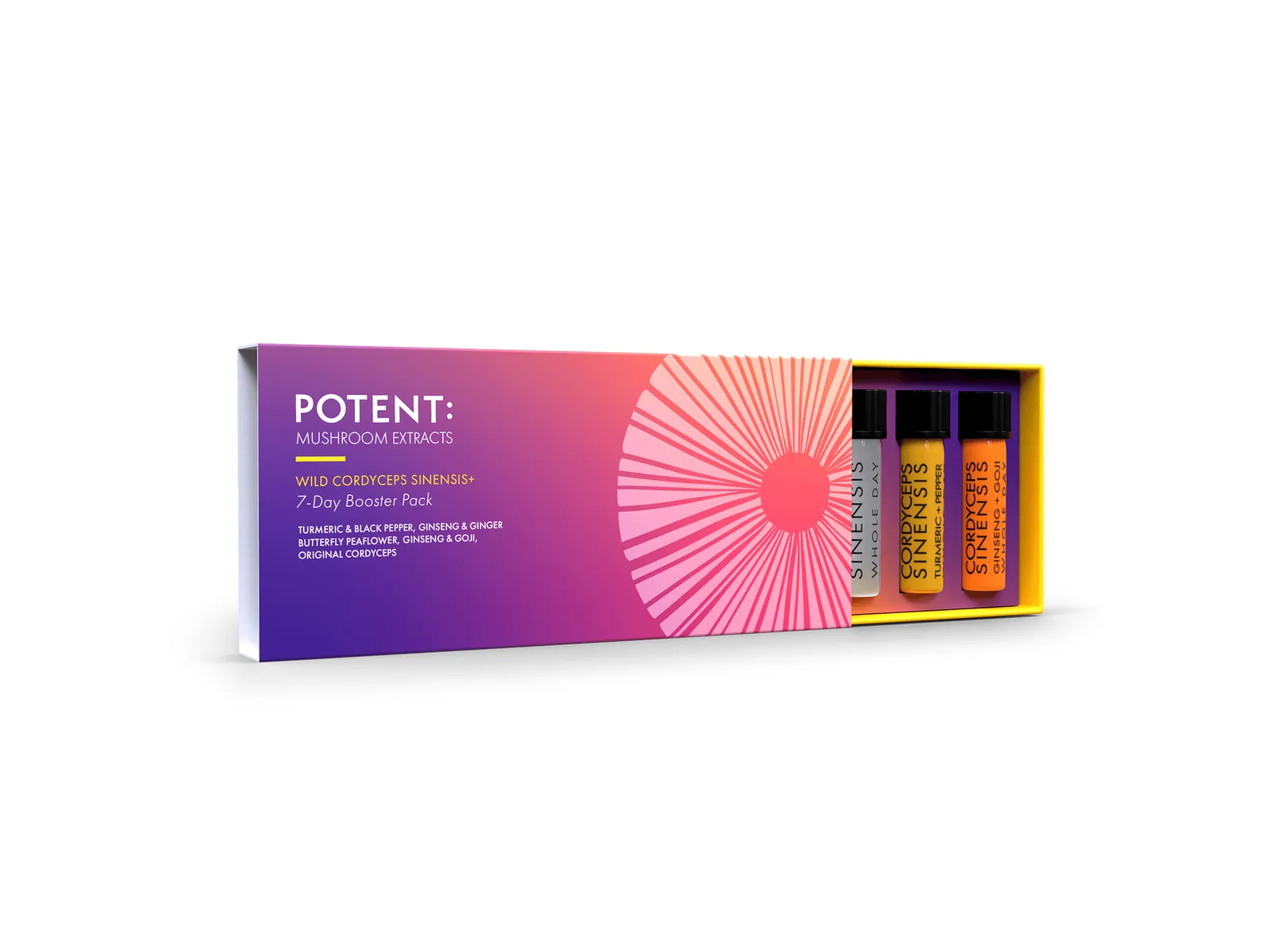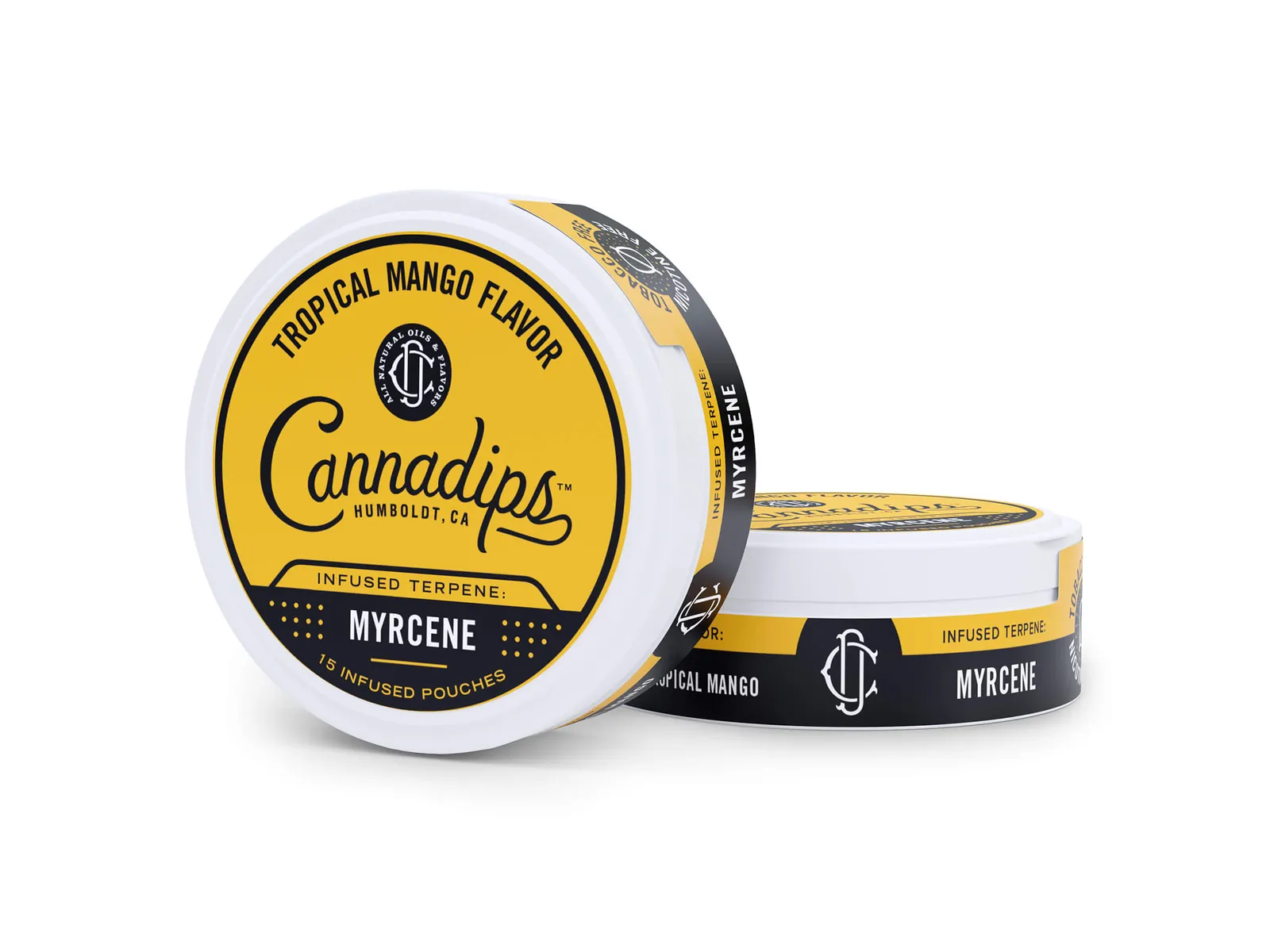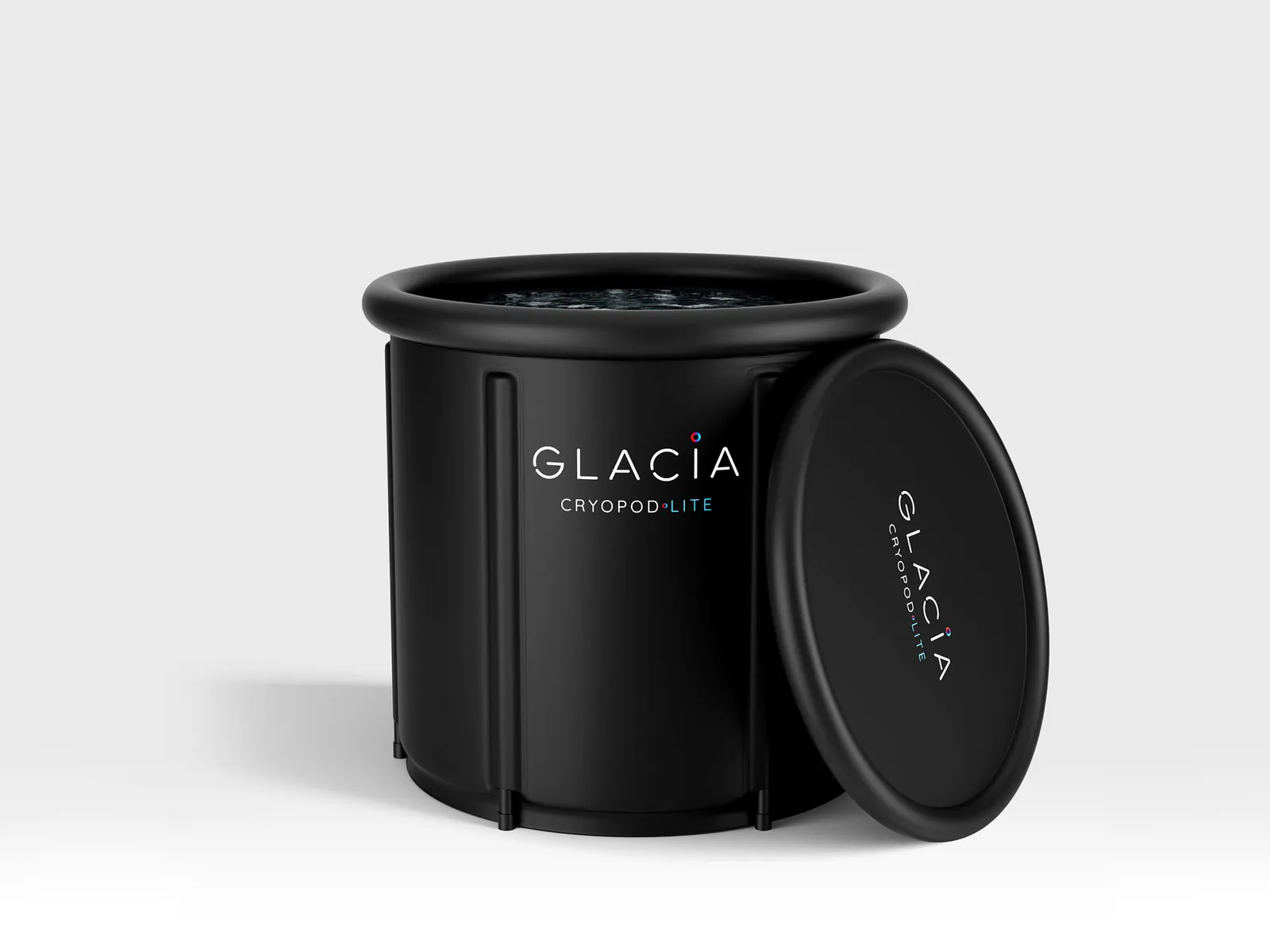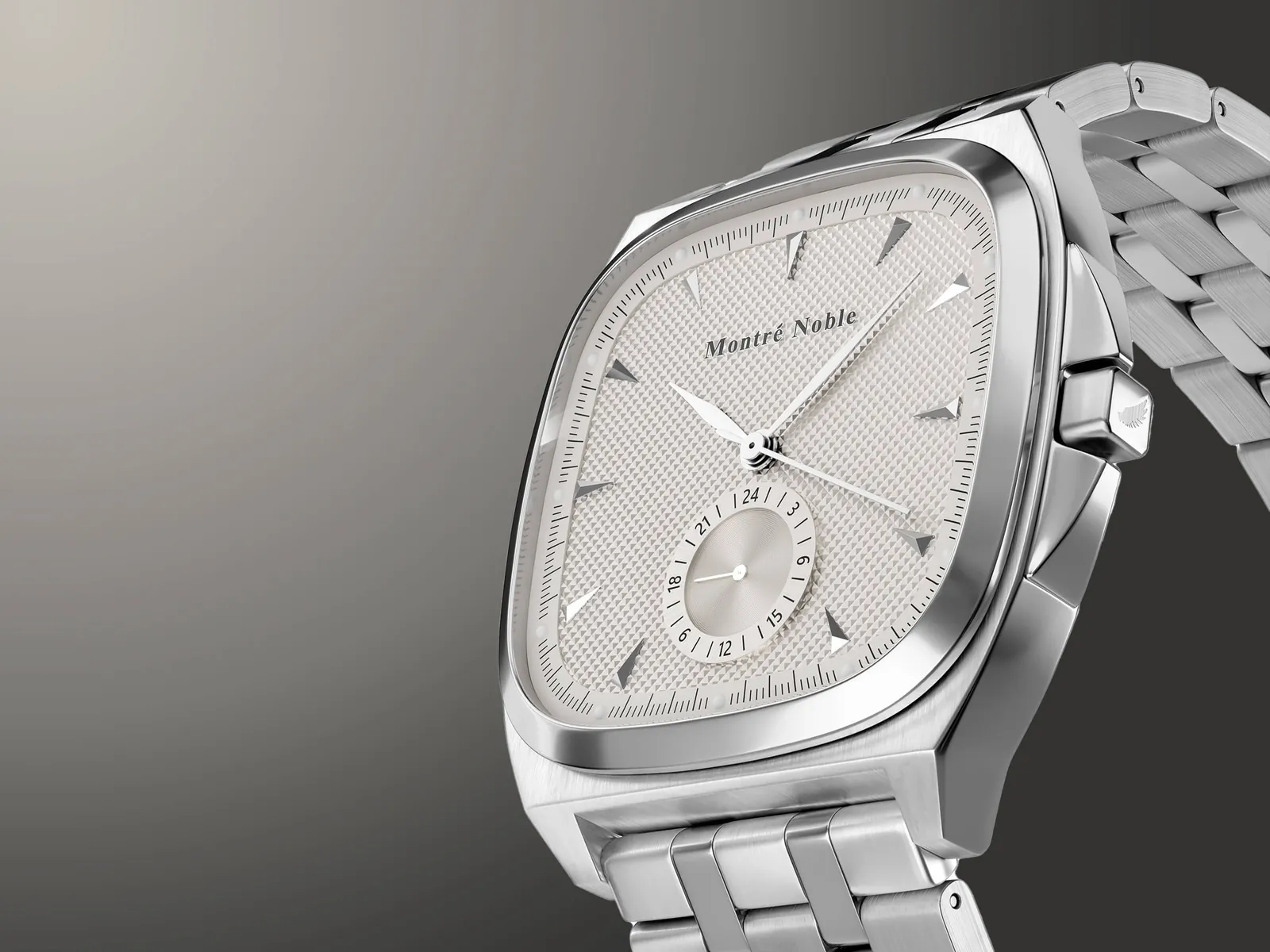
Cosmetic and perfume 3D rendering replaces physical beauty studio photography by simulating real-world optical physics inside a ray-traced 3D environment. By calibrating exact Index of Refraction values (IOR 1.52 for heavy flint glass flacons, IOR 1.49 for PMMA acrylic jars, and IOR 1.36 for alcohol-based eau de parfum liquids), alongside Subsurface Scattering (SSS) for creams, serums, and frosted bottles, 3diz Studio delivers 4K beauty visuals in 72 hours—starting at $195 for a Single Hero SKU and $490 for a Full 7-Image Launch Kit.
If you have ever commissioned a traditional commercial photographer to shoot a luxury perfume bottle, a dropper serum with gold hot-foil lettering, or a double-walled acrylic moisturizer jar, you already know where the budget actually goes. It rarely goes to the camera click. It goes to 40+ hours of post-production Photoshop retouching trying to fix optical problems that physical studio lights cannot solve in a single exposure.
Over the past several years directing beauty and fragrance visualization at 3diz Studio, I have audited hundreds of physical studio photos sent to us by skincare founders and creative directors who were frustrated with dull glass, muddy amber liquids, and unreadable metallic foil typography. In this technical breakdown, I will walk you through why physical cameras struggle with cosmetics packaging, the exact optical shader parameters we use to make 3D glass and serums indistinguishable from a $15,000 editorial campaign shoot, and four real projects from our studio portfolio.
Why Beauty & Fragrance Photography Fails on Glass, Pipettes & Hot Foil
Cosmetic and fragrance containers pack four of the most unforgiving optical materials in commercial optics into a vessel smaller than your palm: compound-curved dielectric glass, colored refractive liquids, mirror-polished metallic atomizers, and hot-stamped foil typography. When you place that bottle in front of a real camera lens, four laws of physics work against you simultaneously:
- 1. Curved Flacon Softbox Glare & Double Ghosting: A cylindrical serum bottle or rounded perfume flacon acts as a wide-angle convex mirror on its front surface and a refractive lens through its back wall. In a physical photo studio, any softbox or scrim placed close enough to create a crisp vertical highlight also reflects off the inner glass wall, creating a milky "double-ghost" streak right across the brand logo.
- 2. The Gold Hot-Foil Paradox: Gold and rose-gold hot-foil stamping is purely specular—it only looks bright gold when reflecting a warm light card positioned at the exact angle of incidence. However, if a photographer floods the front of the bottle with warm fill light so the foil lettering reads clearly, the transparent glass flacon loses all of its dramatic edge contrast and turns flat and washed out. Photographers end up shooting 5 to 8 separate bracketed exposures and hand-masking every single letter in Photoshop.
- 3. Macro Imperfections on Glass Dropper Pipettes: Under a 100mm macro lens, physical glass dropper bulbs and internal dip tubes reveal microscopic mold seams, airborne dust specks clinging to static-charged acrylic, uneven meniscus lines, and tiny air bubbles clinging to the pipette wall. Furthermore, refractive magnification inside a filled bottle bends the internal dip tube at an awkward visual angle.
- 4. Pre-Production Sample Bottlenecks: Most indie and enterprise beauty brands order custom-molded glass, anodized droppers, and silk-screened containers with 8-to-12-week factory lead times. Waiting for final production samples before shooting Amazon A+ modules, Sephora retail decks, or Shopify pre-order campaigns delays revenue by Nearly two months.
The Physics of Luxury Cosmetic CGI: IOR, Nested Dielectrics & Subsurface Scattering
Why do cheap 3D renders of perfume bottles look like hollow plastic toys, while cinema-grade CGI looks heavier, sharper, and more luxurious than a physical photograph? The difference lies in how the 3D artist builds the internal geometry and calibrates physically based rendering (PBR) shaders. At 3diz Studio, we never use "thin-walled" architectural glass cheats. Every bottle is engineered with real-world optical constants.
1. Calibrating Index of Refraction (IOR) & Nested Dielectrics
When light travels from studio air (IOR 1.0003) into a luxury fragrance bottle, into the alcohol solution, through the submerged plastic dip tube, and out the back wall, it bends at every boundary according to Snell's Law. If there is a microscopic air gap between the 3D liquid mesh and the inner glass wall mesh, the renderer calculates two extra air-to-glass reflections—creating an unnatural silver mirror artifact inside the bottle.
To solve this, we build nested dielectric hierarchies where the liquid mesh overlaps the inner glass wall by exactly 0.02mm with assigned dielectric priority levels, and we dial in laboratory-verified refractive indices:
Configured with an Abbe Dispersion Number of 55–60 so thick punted glass bases split white studio rim lights into subtle prismatic rainbow caustics along the bottom edge.
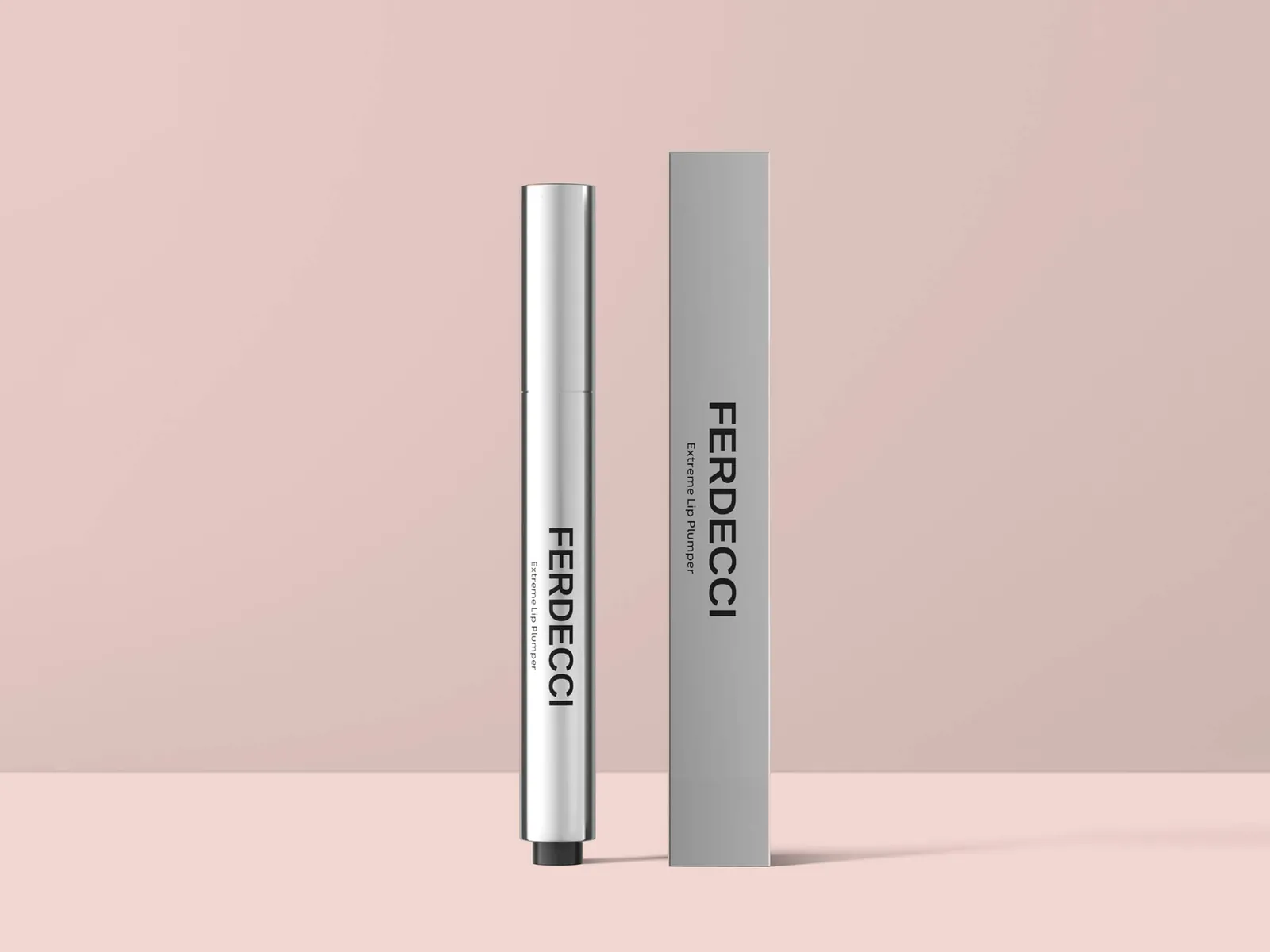
Used for luxury outer cream jars and lip gloss barrels (like our Ferdecci project). Slightly softer internal refraction than glass with crystal-clear edge transmission.
Includes a sculpted concave meniscus curve rising 0.8mm where the fragrance meets the interior glass wall, catching a razor-sharp horizontal specular highlight.
Higher optical density magnifies the internal glass dropper pipette and suspended micro-bubbles or 24K gold flakes with authentic lens distortion.
2. Beer-Lambert Volumetric Absorption (Why Amber Perfume Looks Rich)
In the real world, fragrance liquid is not a flatly tinted surface—it absorbs light exponentially based on how far a ray travels through the fluid (the Beer-Lambert Law). When we render a perfume line across multiple sizes—such as 10ml, 30ml, and 50ml bottles—applying a simple surface color would make all three bottles look identical in saturation. Instead, we use volumetric absorption depth (measured in millimeters). Near the thin upper neck or meniscus, the perfume glows pale champagne-gold; near the thick bottom corners of the 50ml flacon, the exact same shader naturally deepens into warm cognac amber.
3. Subsurface Scattering (SSS) for Creams, Serums & Frosted Glass
Skincare emulsions, milky toners, peptide creams, and hydrogels are translucent: photons enter the surface, scatter multiple times off suspended lipid droplets, and exit at a different point. We calibrate Random-Walk Subsurface Scattering with custom RGB scattering radii (putting a longer red/warm scatter distance and shorter blue scatter distance) so whipped moisturizer peaks glow softly when backlit, rather than looking like hard white PVC plastic.
For acid-etched frosted glass bottles, we combine transmission roughness (0.28 to 0.36) with a procedural micro-crystalline normal map (5 microns scale). That way, the internal dropper tube or liquid level looks crisply defined where it touches the glass, and progressively blurs as it recedes toward the center of the bottle.
4. Anisotropic Metals, Per-Light Foil Linking & Condensation Rigs
In physical photography, lighting is global: move a light for the cap, and you ruin the bottle. In our 3D scene graph, we use selective light linking:
- Hot-Foil Stamping & Silkscreen Logos: We extract your vector foil layer straight from the Illustrator/PDF dieline, drive a
+0.06mmdisplacement/normal bevel, and assign a dedicated warm golden reflector card that illuminates only the metallic foil shader without adding glare to the glass behind it. - Brushed Anodized Collars & Atomizers: Using anisotropic reflection shaders (
anisotropy 0.72, radial UV tangents), machined aluminum spray collars display the signature conical silk sheen of lathe-turned luxury hardware. - Procedural Hydro-Condensation Rigs: For hydrating toners and botanical mists, we scatter procedural water droplets across the bottle surface with physically accurate contact-angle flattening (
65°hydrophobic tension) and gravity-pulled runner trails.
Inside the Studio: 4 Real Cosmetic & Perfume 3D Rendering Case Studies
Every render in our Cosmetics & Fragrance Portfolio was engineered to solve a specific commercial bottleneck—from scaling multi-size fragrance lines to launching clinical skincare before physical packaging arrived from the factory. Here is how we built four standout campaigns:
Rosa Salas Perfumes — Optical Continuity Across 3 Bottle Volumes
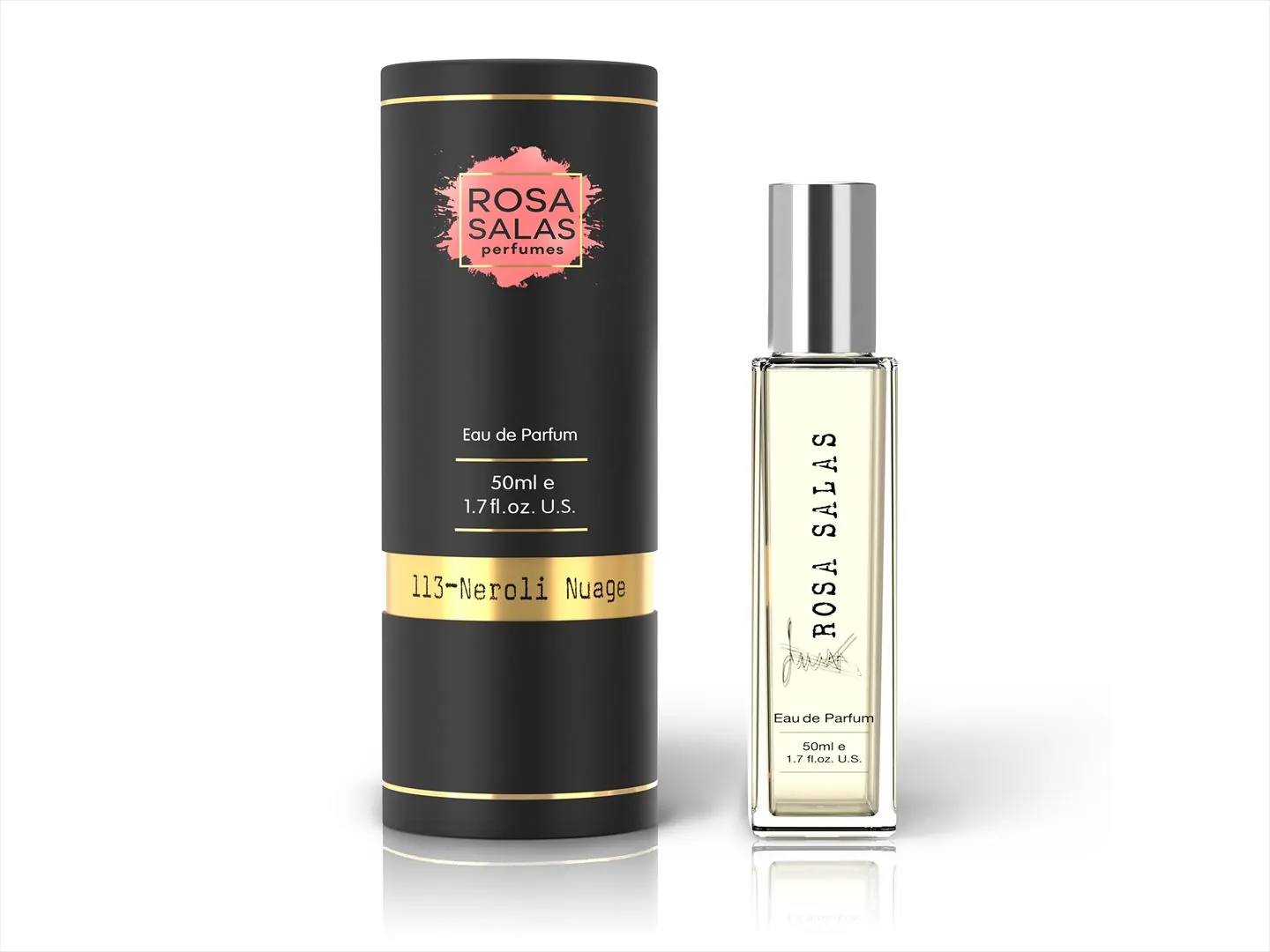
The Challenge: Rosa Salas needed a unified eCommerce and campaign suite featuring their 10ml travel spray, 30ml Eau de Parfum, and 50ml flagship bottle side-by-side. In physical studio shoots, shooting three different glass thicknesses together causes the 10ml bottle to look washed out while the 50ml base turns dark and muddy.
The 3diz CGI Solution: We modeled the heavy flint glass base (IOR 1.52), internal crimp-neck atomizer assembly, and curved dip tube for all three sizes. By calibrating volumetric Beer-Lambert absorption and placing a dedicated backlight card behind each individual bottle, we achieved 100% consistent amber luminescence across all three SKUs—delivered in both clean studio white and warm editorial stone environments.
ZocuFULL Eye Wrinkle Elixir
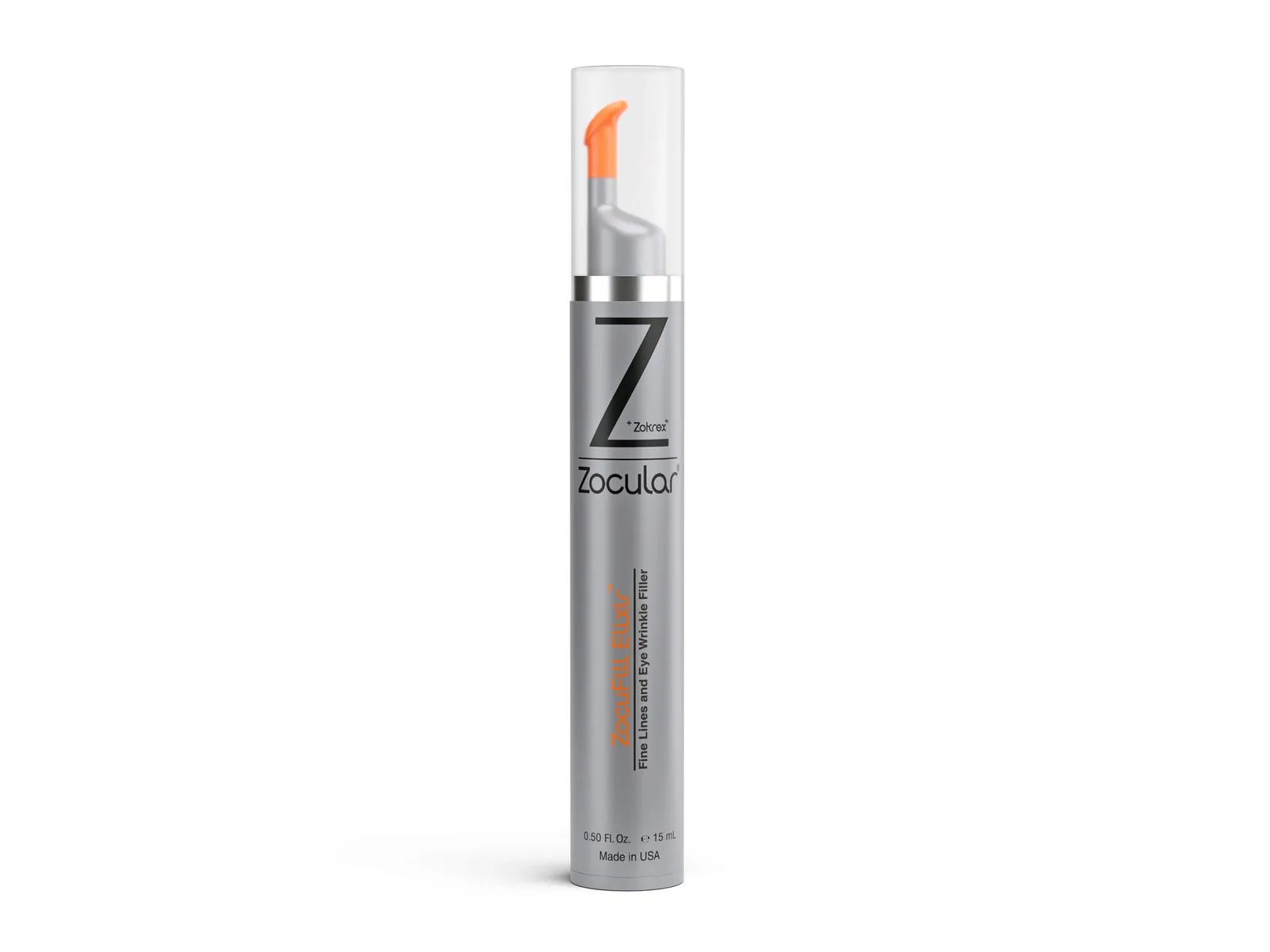
Technical Focus: High-precision airless pump actuator geometry, brushed metallic collar reflections, and ultra-crisp micro-typography on a satin cylindrical label. Built for dermatological authority and high-converting Amazon/DTC product galleries.
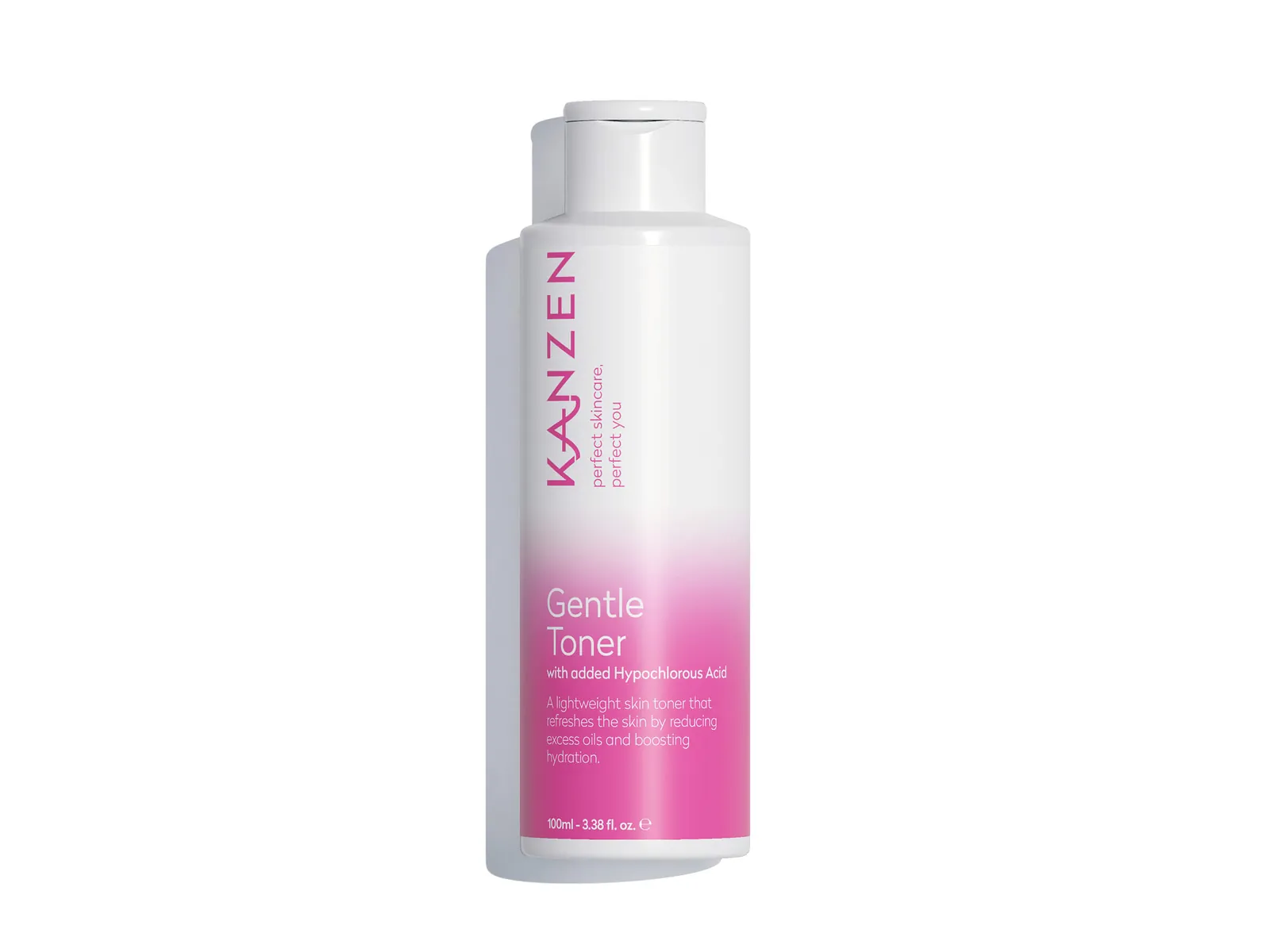
Kanzen Gentle Skin Toner
Technical Focus: Clean, minimalist skincare aesthetics combining soft-touch polymer shaders, crisp label contrast, and natural studio shadow falloff that communicates purity and hydration at first glance in crowded beauty feeds.
Our 5-Step Cosmetic CGI Production Pipeline (72-Hour Turnaround)
Beauty brand managers often ask how we can deliver a complete 4K cosmetic render kit in 3 days when traditional photo studios take 3 weeks. Because our pipeline is built around reusable modular shaders and non-destructive lighting rigs, there is zero shipping delay or set-building downtime:
Sub-Millimeter Quad Modeling (From CAD or Spec Sheet)
We ingest your glass supplier's engineering drawing, STEP/IGES CAD file, or simple front/side reference photos with caliper dimensions. We model the outer bottle, inner glass wall cavity (punted base thickness), neck threads (GPI 18-415 / 20-410), dip tube, and cap with clean subdivision quad topology.
Vector PDF Dieline Separation (CMYK + Foil + Spot UV Masks)
From your Adobe Illustrator (.AI) or vector .PDF label artwork, we export ultra-high-resolution 8K texture maps—separating the matte paper/vinyl base, raised silkscreen ink bump map, spot gloss UV mask, and metallic hot-foil stamping mask.
Optical Shader & Liquid Physics Calibration
We assign the exact glass IOR, volumetric liquid absorption color, concave meniscus geometry, and Subsurface Scattering profile for any accompanying cream swatches, serum drops, or botanical props.
Interactive Clay & Lighting Approval
Within 24–36 hours, you receive a watermarked lighting and camera-angle preview. Want the camera 5 degrees lower for a more heroic silhouette, or a warmer golden-hour shadow across the travertine podium? We adjust it in minutes.
32-Bit Multi-Pass Rendering & ACEScg Color Mastering
Final renders are path-traced at 4K+ resolution (3840x3840px or custom print/billboard dimensions) with separate Cryptomatte alpha masks for the bottle, cap, label, and ground shadow—giving your internal design team effortless drag-and-drop flexibility.
Cosmetic 3D Rendering vs. Luxury Beauty Photography (2026 Comparison)
How do the unit economics and visual quality of 3D CGI compare against hiring a specialized beauty and liquids photographer? Here is the side-by-side breakdown across our beauty clients:
| Production Metric | 3diz Studio Cosmetic CGI | Traditional Beauty Photo Shoot |
|---|---|---|
| Single Hero SKU Cost | $195 (Model + 2x 4K Renders) | $650 – $1,800 (Studio + Retouching) |
| Full 7-Image Launch Gallery | $490 (Hero + Lifestyle + Callouts) | $2,400 – $5,500+ (Props, Set, Stylist) |
| Additional Scent / Shade / Size SKU | $35 – $75 per variant | $300 – $600 per reshot bottle |
| Turnaround Time | 72 Hours (No shipping required) | 2 to 4 Weeks (Sample shipping + edits) |
| Glass & Gold Foil Control | Independent per-shader light linking; zero glare | Requires multi-plate focus/exposure compositing |
| Label Redesign / Rebrand Updates | Swap PDF dieline & re-render in 24 hours | 100% reshoot from scratch required |
Frequently Asked Questions: Cosmetic & Perfume 3D Rendering
Below are the most common technical and commercial questions beauty founders, packaging designers, and Amazon aggregators ask our team before starting a project:
#FFFFFF and transparent PNG with separate ground shadow) delivered in 72 hours. Our most popular Full 7-Image Brand & Amazon Launch Kit is $490, which includes the custom 3D model, studio hero renders, 3 editorial lifestyle scenes (such as travertine stone, water ripples, or botanical ingredients), and 2 infographic/benefit callouts. Once your master bottle is built, extra scents, shades, or bottle sizes cost only $35 to $75 per variant.

Ferdaus Wahid
Founder & Lead CGI DirectorFerdaus Wahid is the Founder and Lead 3D CGI Director at 3diz Studio, where he has directed 42+ commercial product visualization campaigns and 368+ photorealistic renders across luxury cosmetics, perfumery, supplements, hardware, and horology. He specializes in physically based dielectric shaders, CAD-to-CGI pipelines, and high-converting Amazon/DTC visual systems.